What Professional Pet Sitters Notice That Others Miss
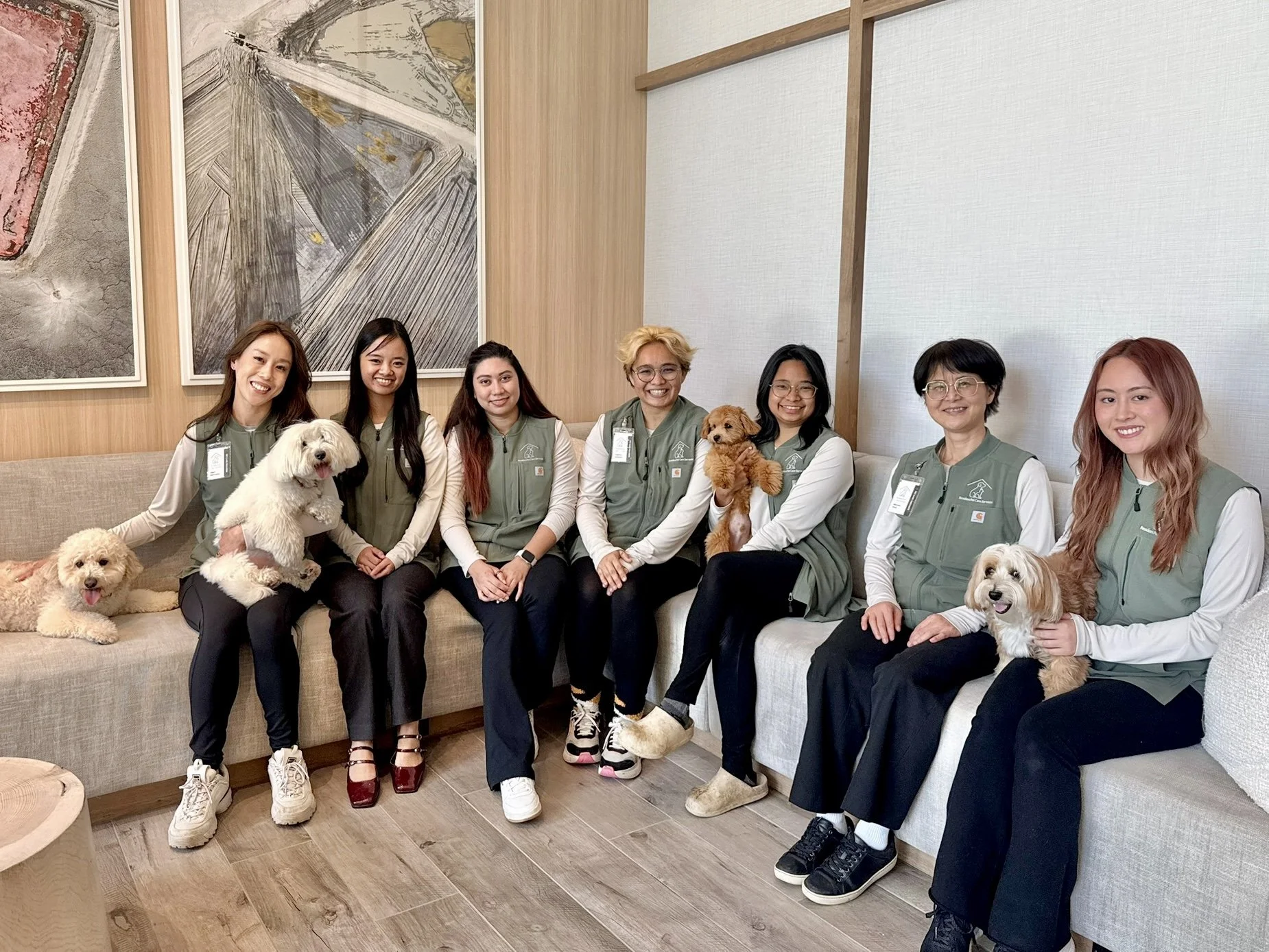
To many people, pet sitting looks simple: feed the dog, take them for a walk, play fetch, and send a few cute photos.
But professional pet care goes much deeper than completing a checklist.
Experienced pet sitters are constantly observing subtle changes in behavior, movement, emotional state, and routine. These small details often tell us how a dog is feeling long before obvious problems appear.
Our goal isn't simply to keep dogs busy.
Our goal is to help them feel safe, regulated, confident, and at ease - whether they're at home, staying overnight, or adjusting to a new caregiver.
We Pay Attention to Nervous System Regulation
Here at Resident Pet Care Services in San Diego, we understand that every dog has a unique temperament and baseline level of arousal. Some dogs naturally move through the world with curiosity and confidence. Others become overstimulated easily, while some withdraw when they're stressed.
A professional pet sitter learns to recognize these patterns and adapts care accordingly.
Instead of asking,
"How can I tire this dog out?"
we're often asking,
"What does this dog need to feel calm, safe, and settled?"
Because a dog who feels emotionally and physically secure is often happier than one who is simply physically exhausted.
Hyperactive and Hypoactive Dogs Need Different Support
No two dogs respond to stress the same way. Some dogs become hyperactive when they're overwhelmed. They may pace, jump, bark excessively, mouth objects, struggle to settle, or constantly seek stimulation.
Other dogs become hypoactive. They may sleep more than usual, move slowly, avoid interaction, or appear unusually quiet. Neither response is necessarily "bad." They're simply different ways dogs respond to change.
Professional caregivers learn to recognize these patterns and adjust the environment, pace, and activities to meet each dog's individual needs instead of applying the same routine to every dog.
How Comfortable Are They With New Caregivers?
One of the first things we observe is how a dog responds to people they don't know well.
Do they:
Relax quickly after their owner leaves?
Seek gentle interaction?
Shadow us from room to room?
Avoid contact?
Become overly attached?
Show signs of anxiety?
Understanding these behaviors helps us build trust at the dog's pace rather than forcing interactions they're not ready for.
Door Safety Is Always on Our Minds
Some dogs would never consider walking through an open front door. Others see an opportunity. Professional pet sitters quickly learn which dogs are likely to bolt and create routines that prevent accidents before they happen.
Simple habits - such as managing entryways carefully, using leashes before opening doors, and paying attention during transitions - can make an enormous difference in keeping dogs safe.
We Learn Their Daily Rhythm
Dogs thrive on predictability. Rather than simply following a schedule, we pay attention to the dog's natural rhythm. When do they usually nap? When are they most playful? How long does it take them to settle after a walk? Do they eat immediately or prefer quiet time first?
These observations help us create consistency, which reduces unnecessary stress and helps dogs feel secure.
We Watch for Early Signs of Separation Anxiety
Separation anxiety isn't always dramatic - sometimes it's subtle. A dog may pace after the owner leaves. They may stop eating. They may vocalize quietly. They may struggle to relax even though they aren't being destructive.
Recognizing these early signs allows us to adjust our approach before anxiety becomes more severe.
We Notice How Dogs Feel Around Other Dogs
Many people assume that a successful day means a dog spent hours playing with other dogs. In reality, that's only true for some personalities. Professional caregivers pay attention to questions like:
Does this dog genuinely enjoy group play?
Do they prefer one close friend?
Do they need frequent breaks?
Are they becoming overstimulated?
Are they quietly asking for space?
Sometimes the healthiest choice is a peaceful walk, enrichment activities, or simply relaxing in a calm environment. More activity isn't always better. Better regulation is.
Good Pet Care Supports Healthy Biological Function
Behavior doesn't exist in isolation. How a dog sleeps, eats, drinks, eliminates, moves, and recovers all influence emotional well-being. Professional caregivers notice changes like:
Appetite
Water intake
Energy levels
Stool quality
Mobility
Restfulness
Interest in normal activities
Small changes often provide early clues that something isn't quite right.
Our Measure of Success Looks Different
Some people judge pet care by one question:
"Did my dog play all day?"
We ask a different question:
"Did your dog feel safe enough to eat normally, rest normally, and play openly?"
Because a dog who feels emotionally secure, sleeps well, maintains healthy routines, and confidently trusts new caregivers is building resilience - not simply burning energy. That foundation creates happier behavior, smoother transitions, and greater confidence throughout life.
At the end of the day, excellent pet care isn't about keeping dogs constantly entertained. It's about helping them feel so safe that they can simply be themselves.