Helping Parents Transition Into Assisted Living With Their Dog
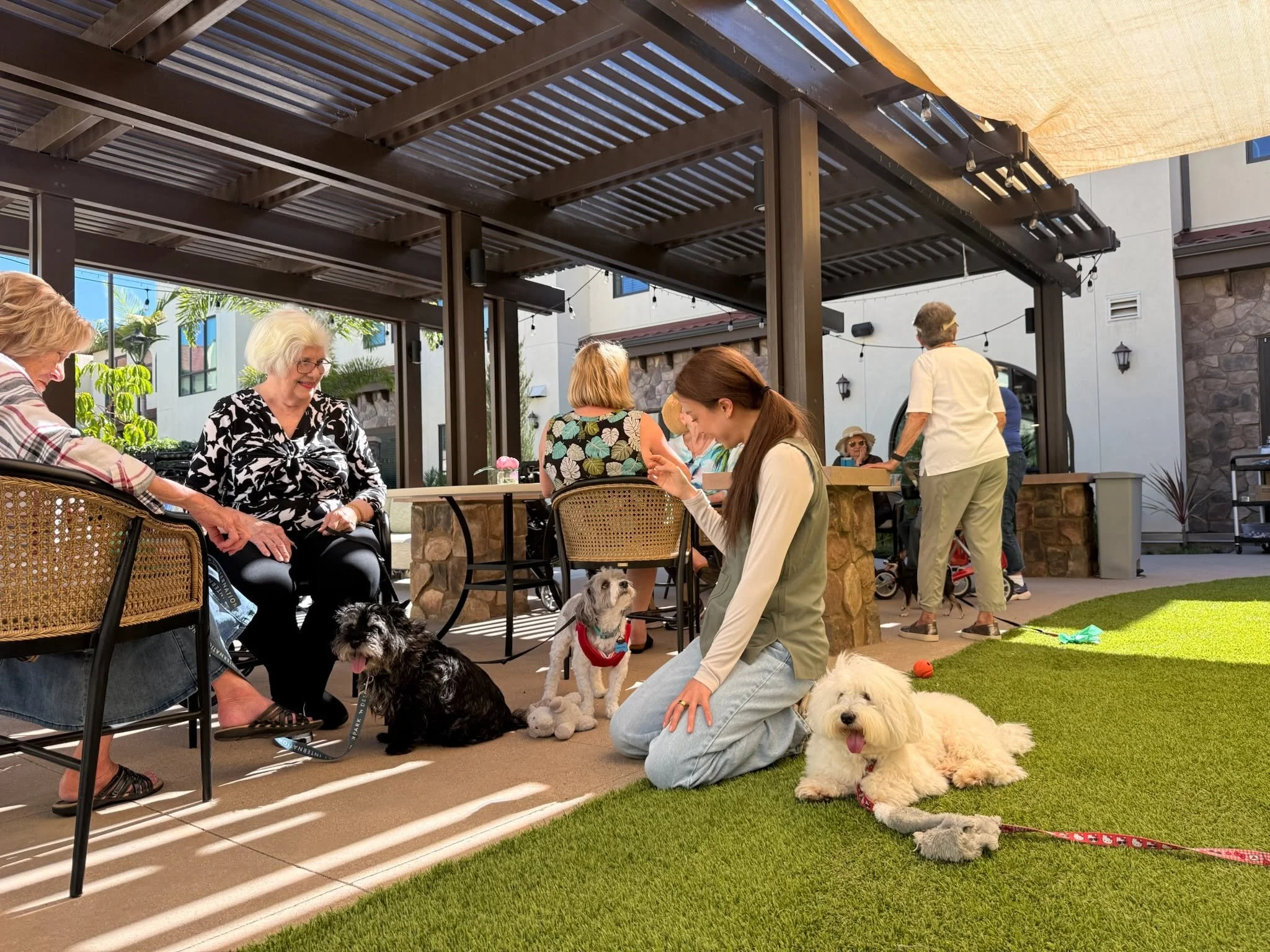
Moving a parent into assisted living is one of the biggest transitions a family can experience. Along with choosing the right community, downsizing a lifetime of belongings, and helping a loved one settle into a new routine, there's often one family member whose needs can be unintentionally overlooked - the family dog.
For many older adults, a dog isn't simply a pet. They're a constant companion, a source of comfort, and an important part of daily life. Preserving that relationship can make the transition into assisted living feel far less overwhelming for everyone involved.
But it's important to remember that this move isn't just a major life change for your parent. It's a major life change for their dog, too.
Senior Dogs Experience the Transition Too
At Resident Pet Care Services, we provide full service pet care for dogs living in senior living facilities in San Diego. Full service care includes behavioral training to help the dog adjust to the new environment! Most of the dogs we work with are senior dogs themselves. Many have spent years - sometimes their entire lives - in the same home, following familiar routines and walking the same neighborhood every day.
Then, almost overnight, everything changes. A quiet house becomes a bustling senior living community. Familiar backyards become apartment living. New caregivers, housekeeping staff, nurses, visitors, wheelchairs, walkers, elevators, automatic doors, carts, and unfamiliar sounds suddenly become part of everyday life.
Even the calmest dog may need time to adjust. Behavior changes during this period are not uncommon, and they're often a reflection of uncertainty rather than disobedience.
Common Challenges We Help Dogs Overcome
Every dog adjusts differently, but there are several challenges we commonly help families navigate during the transition into assisted living.
Learning to Use Elevators
Many dogs have never ridden an elevator before. The movement, sounds, vibrations, and confined space can feel intimidating, especially for older dogs. Some refuse to step inside altogether. Through patient, positive introductions and consistent practice, many dogs gradually learn that elevators are simply another part of their daily routine.
Adjusting to Apartment Living
A dog who previously had access to a backyard may suddenly need to rely on scheduled walks. That transition can temporarily affect house-training habits or create confusion about where it's appropriate to relieve themselves.
Consistent routines, regular potty breaks, and thoughtful guidance help dogs understand their new schedule and settle into apartment living successfully.
Feeling Comfortable Around Community Staff
Senior living communities are wonderfully active places. Throughout the day, dogs encounter caregivers, nurses, dining staff, housekeeping teams, maintenance personnel, visitors, and other residents.
For some dogs, this constant activity can feel overwhelming. They may bark at unfamiliar people, become startled by mobility equipment, or feel protective of their owner's apartment.
Rather than viewing these behaviors as "bad," we see them as opportunities to help dogs build confidence. Through calm, consistent exposure and positive experiences, many dogs learn to feel comfortable greeting the familiar faces they see every day.
Building Confidence Throughout the Community
Some dogs become hesitant to walk down certain hallways or enter busy common areas. Others refuse to pass the front desk or become nervous near automatic doors.
When this happens, both the dog and the resident can begin avoiding parts of the community altogether. Over time, that can unintentionally limit a resident's independence and ability to fully enjoy everything their new home has to offer.
With patience and individualized behavior support, many dogs gradually become comfortable exploring the community alongside their owners, allowing both to participate more fully in daily life.
Supporting the Human-Animal Bond
Helping a dog adjust isn't simply about improving behavior. It's about protecting one of the most meaningful relationships in a person's life.
When a dog feels confident walking through the community, comfortably rides the elevator, greets familiar staff calmly, and settles peacefully in their apartment, life becomes easier for everyone.
Residents feel more confident taking their dog on walks, participating in community activities, visiting neighbors, and enjoying the everyday routines that make assisted living feel like home.
How Resident Pet Care Services Helps
At Resident Pet Care Services, we specialize in helping both residents and their senior dogs in San Diego County successfully navigate this transition. In addition to daily dog walking, medication administration, veterinary transportation, and high-touch concierge pet care, we also provide individualized behavior support designed specifically for the senior living environment.
Whether we're helping a dog become comfortable riding elevators, establishing reliable potty routines, building confidence around community staff, reducing anxiety, or encouraging them to explore new areas of the community, every plan is tailored to the individual dog.
Our goal isn't to create perfectly obedient dogs. Our goal is to help dogs feel safe.
Because when dogs feel safe, they become more confident. And when dogs become more confident, residents gain the freedom to fully enjoy their new home with their best friend by their side.
A New Chapter, Together
Moving into assisted living marks the beginning of a new chapter - not the end of one. With thoughtful planning, compassionate support, and experienced guidance, both residents and their dogs can adapt beautifully to their new surroundings.
At Resident Pet Care Services, we're proud to help make that transition a little easier, preserving the companionship, comfort, and joy that only a beloved dog can provide. Because no one should have to choose between receiving the support they need and keeping the companion who has always been there for them.